
5 Tips to Choose a Foil Stamping Machine
When a mid-sized packaging company in Chicago replaced its aging flatbed stamper last year, they didn’t just look for a “faster model.” They looked for a solution that could handle thicker cardstock without jamming, reduce die-changeover time, and offer consistent temperature control across long runs. After three months of research, they realized that choosing the right equipment goes far beyond comparing brochure specs.
If you’re in a similar position—whether upgrading your workshop or scaling up commercial production—the decision process can feel overwhelming. The market offers everything from manual entry-level units to high-speed automatic systems. How do you ensure your investment delivers ROI without constant downtime? Here are five practical tips to guide your selection.
1. Map Out Your Daily Production Volume First
Many buyers start with features. Experienced production managers start with numbers. Ask yourself: What is your average daily print volume? What is the maximum sheet size you run? What substrate thickness do you commonly use?
For a small print shop producing 500-1,000 custom invitations per day, a manual or semi-automatic press might be perfectly adequate. However, if you are running 5,000+ units daily for pharmaceutical boxes or cosmetic labels, you will need a system with automated feeding and registration.
The key is to match the machine’s duty cycle to your workflow. Over-buying wastes capital; under-buying leads to production bottlenecks. A reliable system should maintain consistent pressure and heat over hours of operation without frequent recalibration. If you want to see how different production volumes match with specific build qualities, view detailed configuration examples here based on real workshop data.
2. Prioritize Precise Temperature and Pressure Control
This is where quality separates from noise. Poor temperature regulation leads to “halo effects” (incomplete foil transfer) or scorched paper. Look for systems with independent zone heating and digital pressure displays rather than analog dials.
According to industry standards (ISO 12647 for print finishing), temperature variance should stay within ±5°C across the platen. Ask potential suppliers about their heating element design. Are they using cast-in heaters or cartridge types? Cast-in elements provide more even heat distribution but take longer to cool down.
A common operational mistake is assuming all foil stamping equipment handles fine details equally. Thin serif fonts or micro logos demand higher precision than solid blocks. Test the equipment with your most difficult artwork before purchasing. This hands-on check saves months of frustration later.
3. Evaluate Tooling Changeover and Setup Time
In a busy production environment, “stamping” is fast, but setup is slow. How quickly can you swap dies? Does the machine offer modular chases that can be pre-registered offline?
Some modern systems feature quick-lock mechanisms that reduce changeover from 30 minutes to under 5. For a shop running multiple short-run jobs daily, that time saving alone can pay for the equipment within a year. Ask about compatibility with existing tooling—can you use your current brass, copper, or magnesium dies, or are you locked into a proprietary system?
The ability to integrate with your current workflow without retraining every staff member is often underestimated. A steep learning curve introduces hidden costs. You can explore modular design options here to understand how different clamping systems affect daily operations.
4. Check for Safety Features and Build Stability
This tip is not just regulatory—it’s about uptime. Stamping involves high heat (up to 400°F) and significant mechanical force. Machines without two-hand trip controls, light curtains, or emergency brake systems risk operator injury and production halts.
Furthermore, look at the frame construction. A C-frame press made from cast iron dampens vibration more effectively than welded steel frames, resulting in cleaner impressions at high speeds. Ask about the unit's weight. Heavier isn’t always better, but for flatbed stamping, mass correlates with stability.
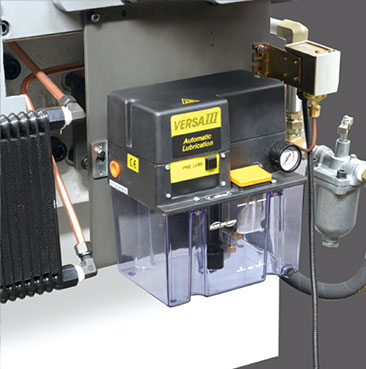
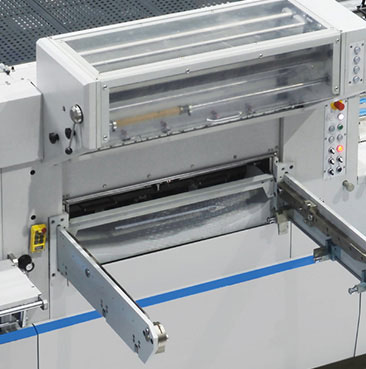
According to a safety audit report from a large European printing house, 60% of minor accidents on finishing lines involve poorly guarded hot foil equipment. Don’t skip this check. Reliable suppliers will provide clear documentation on safety certifications (CE, UL, etc.). If you are sourcing from overseas, request video evidence of these safety features in action.
5. Think About After-Sales Support and Consumables
Finally, consider what happens after the pallet is delivered. Foil stamping requires consumables: silicone rubber, blankets, heating elements, and foil tensioning bands. Are these readily available? Does the manufacturer offer a library of video tutorials for common maintenance tasks like replacing a blown fuse or adjusting foil pull rollers?
A wise production director once said, “The best machine is the one we can fix before lunch.” Ask for a spare parts list and lead times. If a basic thermocouple takes six weeks to ship, your machine will be a very expensive paperweight for half a season.
Also, check if the supplier provides operator manuals that are actually legible (look for real photos, not just line drawings). This speaks volumes about their commitment to user experience.
Making the Final Decision
By now, you have a clear framework: match volume, prioritize thermal stability, optimize changeovers, verify safety, and secure support. Avoid the trap of choosing solely based on maximum tonnage or fastest cycle time. The right equipment seamlessly integrates into your floor plan and your job ticket flow.
If you are looking for a solution that balances these five aspects—particularly robust temperature control and quick-change tooling—it is worth exploring a brand that has refined these mechanics over years of industrial use. Discover a complete range of finishing solutions that prioritize operational safety and consistent output, backed by clear technical documentation and global support logistics.
Remember, the goal is not just to own a piece of machinery. It is to add a reliable finishing partner to your workflow. Take your time, test with your materials, and choose the one that grows with your business.
*References: Industry best practices based on ISO 12647-2 finishing standards; safety insights adapted from ANSI B153.1-2017 for print presses.*


 English
 Français
 Español
 Português
 عربي
عربي