
Why Laser‑Guided Precision Matters in an Automatic Die Cutting Machine
Packaging boxes, self‑adhesive labels, gaskets, and industrial films – all require clean, accurate cuts. A die cutting machine that misses the mark by even half a millimeter ruins the whole batch. That’s why modern automatic die cutters use laser‑guided systems, German‑engineered blades, and intelligent feeding to ensure every cut is flawless. This guide breaks down the key features that separate a high‑performance die cutter from a basic one, using real specifications from a manufacturer known for post‑press innovation.
What Makes a Die Cutter Truly Automatic?
Walk into any packaging plant, and you’ll see die cutters running around the clock. But not all “automatic” machines are equal. True automation means more than just a conveyor belt – it covers feeding, cutting, and stacking with minimal operator intervention.
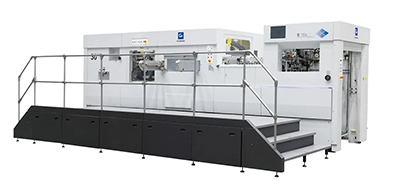
A modern Automatic Die Cutting Machine integrates several technologies that work together seamlessly. Let’s look at the six capabilities that define a reliable, high‑output die cutting line.
Six Features That Separate Professional from Average
Based on actual product specifications, here are the capabilities you should expect from a quality automatic die cutter.
Laser‑guided precision – the end of registration drift
Traditional die cutters rely on mechanical registration marks printed on the sheet. Over long runs, paper can stretch or shift slightly, causing the die to cut off‑register. Laser‑guided systems actively track the sheet position using optical sensors and adjust the cut in real time. This eliminates drift and ensures that even intricate patterns – such as fine text, small perforations, or nested shapes – are cut exactly where they should be. The result is near‑zero waste from misalignment, saving thousands of sheets per month.
Versatility for different materials and thicknesses
A good machine doesn’t lock you into one substrate. It handles paperboard (200‑600 gsm), corrugated board (up to 4mm thick), self‑adhesive labels (with liner), plastic films (PET, PVC, PP), and even thin metal foils (for decorative applications). Thickness range typically spans from thin label stock (0.1mm) up to heavy packaging board (several millimeters). This versatility means one Automatic Die Cutting Machine can serve multiple production lines – from a folding carton run in the morning to a label job after lunch.
Rapid feed – high‑speed automated processing
Speed is measured in sheets per hour, but true efficiency also depends on how quickly the machine can start and stop without jamming. Rapid feed systems use servo‑driven pull rollers and air tables to move sheets smoothly. Top models reach several thousand sheets per hour, keeping pace with upstream printing presses (which often run at 5,000‑10,000 sheets/hour) and downstream folding/gluing lines. The feed system also includes double‑sheet detectors and skewed‑sheet correctors to prevent jams.
Durable German‑engineered cutting blades
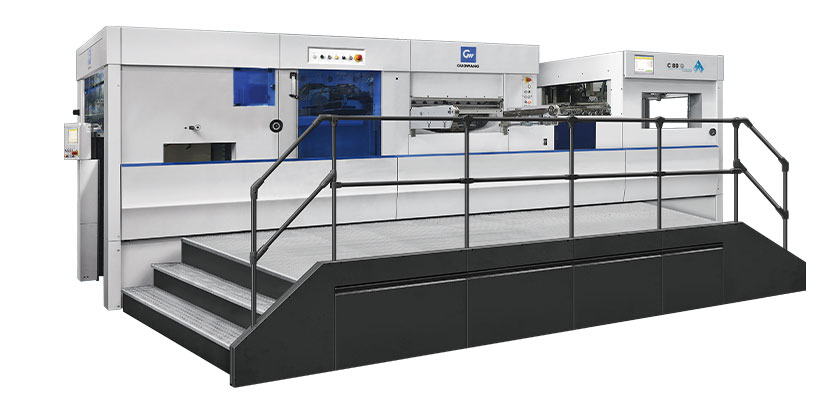
The cutting blade (or die) is the heart of any die cutter. German‑engineered blades are known for their hardness (often 58‑62 HRC), edge retention, and resistance to chipping. They stay sharp through millions of cuts, reducing downtime for blade changes. Some blades are also designed for double‑sided cutting or creasing, further extending their utility. A typical set of German blades can last 2‑3 years in normal production, compared to 6‑12 months for standard blades. Over a decade, that difference saves significant downtime and tooling cost.
Advanced safety protection systems
Die cutters have powerful moving parts – rollers, cutting plates, and ejection systems. Advanced safety protection includes:
-
Light curtains – infrared beams that stop the machine if any object enters the danger zone
-
Dual palm buttons – requiring both hands to operate, keeping hands away from the cutting area
-
Automatic emergency stop sensors – triggered by excess vibration, temperature, or door openings
-
Enclosed cutting zones – with interlocked access doors
These systems prevent operator injury without slowing down production. Many models also comply with CE safety standards.
Low noise operation – a better shop floor environment
Traditional die cutters can be deafeningly loud, especially at high speeds – often exceeding 90 dB, which requires hearing protection. Modern machines use vibration‑damping mounts, precision‑balanced drive components, and acoustic enclosures to keep noise levels below 75‑80 dB. A quieter shop floor means less operator fatigue, better communication, and fewer workplace injuries from noise‑related distraction.
Where Do You Actually Use an Automatic Die Cutter?
Different industries need different cutting capabilities. Here’s how an automatic die cutter serves each sector.
Packaging
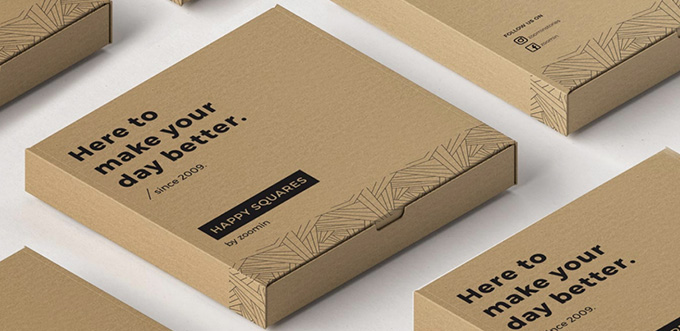
Corrugated boxes, folding cartons, blister packs, and display stands all require precise die cutting. The machine must handle thick board (up to 4mm), maintain registration across large sheets (up to 1000mm width), and produce clean edges without crushing the material. Creasing is also often required to allow folding without cracking.
Labels and stickers
Self‑adhesive labels demand extreme accuracy – even a 0.5mm shift can ruin a batch. Laser‑guided systems and adjustable feeding are essential for kiss‑cutting (cutting only the label layer, not the liner). Many label die cutters also include matrix stripping (removing waste label material) and automatic re‑winding.
Industrial materials
Gaskets, seals, insulation sheets, composite materials, and even rubber or foam often require custom shapes. A versatile die cutter with adjustable pressure can handle these without specialized tooling for every design. For high‑volume industrial parts, steel‑rule dies or matched metal dies are used.
Other applications
-
Stationery products – notebooks, folders, envelopes
-
Greeting cards – intricate cut‑out shapes and embossed patterns
-
Automotive interior parts – headliners, carpets, insulation
-
Medical packaging – sterile blister packs, surgical drape cuts
Where Do These Six Features Come From? A Look Inside GUOWANG
You’ve seen the six capabilities: laser guidance, material versatility, rapid feed, German blades, safety systems, and low noise. They don’t appear by accident. They come from a company that has been building post‑press equipment since 1993 – GUOWANG.
Their Automatic Die Cutting Machine models are built on a foundation of scale and experience: 400+ employees, 160,000 m² of factory space, and over 100 patents. They’ve poured more than 30 million RMB into advanced production lines and run the factory under 7S management, with guidance from experts at Siemens. CE certification? Yes. Export worldwide? Yes.
What that means for your bottom line
Decades of engineering refinement show up in the details: spare parts available when you need them, service technicians who have seen your problem before, and a machine designed to run for years without major repairs. GUOWANG also offers customized solutions – they’ll tune the machine to your specific materials, thickness range, and output targets.
Which Industry Application Fits Your Needs?
GUOWANG has broken down application segments to help you choose the right post‑press equipment. Not sure which machine to pick? Their application segmentation page guides you through packaging, labeling, industrial materials, and more. You can get a customized solution based on your specific materials, thickness range, and output requirements.
How to choose the right model
Consider these factors:
-
Maximum sheet size – match your printing press size
-
Material thickness – thin labels vs. heavy board
-
Monthly volume – low, medium, or high throughput
-
Cutting complexity – simple rectangles vs. intricate shapes
-
Budget – entry‑level vs. high‑speed production models
GUOWANG’s sales team can recommend a model based on your answers.
Quick Comparison – What to Look for in an Automatic Die Cutter
| Feature | Why it matters | What GUOWANG offers |
|---|---|---|
| Laser‑guided precision | Eliminates registration drift, reduces waste | Active real‑time tracking |
| Versatile material handling | One machine for paper, board, film, labels | Adjustable pressure and feed |
| High‑speed feeding | Keeps pace with printing and folding lines | Servo‑driven, jam prevention |
| German‑engineered blades | Longer life, cleaner cuts, less downtime | Hardened steel, 2‑3 year lifespan |
| Safety protection | Prevents operator injury | Light curtains, dual palm buttons, CE |
| Low noise | Better working environment | <80 dB, vibration damping |
Maintenance and Long‑Term Reliability (H2)
To keep your automatic die cutter running for decades, follow a simple maintenance schedule:
-
Daily – Clean feed rollers, check blade for nicks, lubricate moving points
-
Weekly – Inspect belts and gears, verify registration accuracy
-
Monthly – Calibrate pressure settings, check safety systems
-
Yearly – Replace worn blades, service drive motors
GUOWANG provides a detailed maintenance manual with each machine and stocks spare parts for all models. Their service team offers remote diagnostics and on‑site repair.
Your Next Step – Get the Right Machine for Your Application
You don’t need to guess which die cutter fits your production. GUOWANG offers a free consultation based on your materials (paper, board, film, labels), thickness, and required output. Their team can recommend a model and provide a video demonstration.
A reliable Automatic Die Cutting Machine is the backbone of any packaging or labeling operation. Choose one that won’t let you down.


 English
 Français
 Español
 Português
 عربي
عربي