
Can a Single Foil Stamping Machine Handle Both Hot Stamping and Die‑Cutting?
You have two jobs on the floor: stamping foil onto packaging and cutting shapes out of paper. Traditionally, that meant two machines – two operators, two maintenance schedules, two sets of spare parts. But what if one machine could do both and switch between them in minutes? That’s the idea behind a modern foil stamping machine that integrates die‑cutting. This guide walks through the real‑world features that save foil, reduce downtime, and simplify operation, using actual specifications from a manufacturer with decades of experience.
Why Run Two Machines When One Can Do Both?
Walk into any post‑press shop, and you’ll often see separate lines for stamping and die‑cutting. They eat up floor space, tie up operators, and create bottlenecks when jobs need to move between them. An integrated system changes that equation entirely.
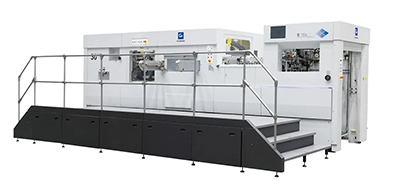
A modern foil stamping machine with die‑cutting capability does three things on one platform. First, hot stamping – transferring metallic or holographic foil onto paper using heat and pressure. Second, embossing – creating raised patterns without foil, often combined with stamping for a premium, tactile finish. Third, die‑cutting – cutting the paper into final shapes after stamping. Changeover between these modes takes minutes, not hours.
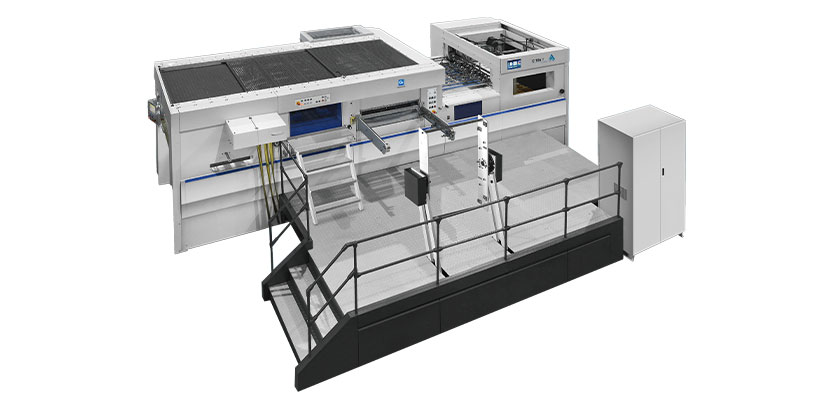
Why does that matter? Consider a luxury cosmetic box that needs gold foil on the lid and a custom die‑cut window. Or a wine label requiring a holographic pattern and an embossed grape cluster. With separate machines, you’d stamp first, move the sheets to the die‑cutter, realign, and hope registration holds. With an integrated system, you complete both processes in one continuous run, with perfect registration every time.
Non‑Stop Feeding – Because Reloading Paper Shouldn’t Stop Production
One of the biggest productivity killers in finishing is reloading paper. Every time the pile runs out, the machine stops, the operator rushes to load a new stack, and production loses momentum. This foil stamping machine solves that with a preload device that allows non‑stop feeding.
How the preload system works
The maximum pile height is 1600 mm – that’s over five feet of paper. While the machine draws from the active pile, the operator can position the next pile on a rail‑guided preload carriage. When the active pile runs out, the machine seamlessly switches to the waiting pile. No pause, no lost time. The feeding system uses four lifting suction cups and four transfer suction cups, which together handle a wide range of paper weights and sizes without slipping. German stainless steel conveyor surfaces reduce friction, keeping paper moving smoothly. And as the sheet approaches the front lays, the feeding speed automatically slows down for precise positioning.
Why precise feeding affects everything downstream
If the paper enters even slightly crooked, the stamping will be off‑register, and the die‑cut will miss the mark. Adjustable side and front layers, equipped with photocells, ensure that every sheet lands in exactly the same position. For long runs, this consistency means you can walk away and trust the machine.
The Heart of the Machine – Foil Feeding and Pressure Control
The two most expensive consumables in foil stamping are the foil itself and the downtime caused by poor registration or broken foil. This machine addresses both with two key technologies: synchronous foil feeding and 0.01mm pressure precision.
Synchronous longitudinal and transverse foil feeding
Most stamping machines pull foil only in one direction, leaving waste between stamps. This machine feeds foil both longitudinally (along the sheet) and transversely (across the sheet), so you can stamp multiple images from the same foil strip without gaps. The result is significantly less foil waste – often 20‑30% savings on high‑volume jobs.
Up to six longitudinal axles can be installed, each controlled independently by a Japan Yaskawa servomotor. That means you can run complex jobs with multiple foil colors or positions on the same sheet, each with its own foil feed. The system automatically calculates the required foil pull length and simulates the layout on the touchscreen. A foil remaining alarm stops the machine when the roll is low, preventing incomplete stamps.
0.01mm pressure precision – what it means for your work
Pressure adjustment on this machine is done via the touch screen, with precision down to 0.01mm. That’s ten times finer than most mechanical adjustments. For a job with fine text or delicate embossing, that extra precision means the difference between a crisp, clean stamp and a smudged or crushed image. For deep embossing, it ensures consistent depth across thousands of sheets.
The pressure is applied by a system that uses adjustable grippers to hold the paper in exact registration. Because the grippers are adjustable, you can accommodate different paper thicknesses without losing alignment.
Delivery – Collecting Finished Sheets Without Stopping
After stamping and cutting, the finished sheets need to be collected neatly. The delivery unit uses an alternating current motor‑controlled brake to align the sheets as they exit. An auxiliary delivery rack allows non‑stop unloading – you can remove a full pallet while the machine keeps running. Photoelectric protection beams ensure operator safety during unloading.
A separate 10.4‑inch touch screen at the delivery station lets the operator control each unit of the machine without walking back to the main panel. That small convenience saves hundreds of steps per shift.
One Operator Interface That Actually Makes Sense
Complex machinery often comes with confusing controls. This machine’s designers clearly spent time thinking about the operator. The hot stamping unit has a 19‑inch high‑definition touch screen where all settings and functions are accessed by touch. The system is built on a deep understanding of how operators work – settings are grouped logically, and the interface guides you through job setup step by step.
New operators typically become comfortable within a day. Experienced operators can recall stored job parameters for repeat orders, eliminating setup time entirely.
What You Can Produce – Real Jobs, Real Examples
Here are just a few examples of what a foil stamping machine can run, all on the same platform:
-
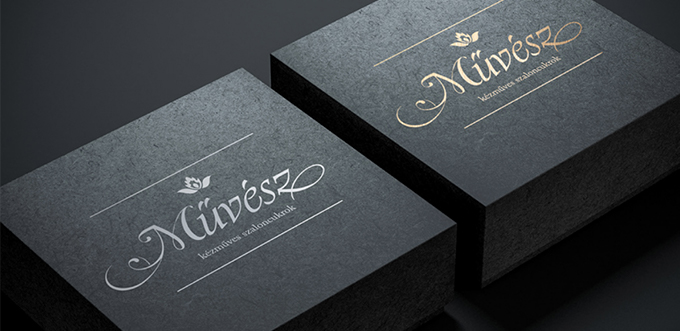
Luxury cosmetic boxes – gold hot stamping with embossed logo, followed by die‑cutting of the box shape
-
Wine labels – holographic foil stamping with diffraction patterns, plus embossing for a textured feel
-
Greeting cards – multi‑position stamping using up to six foil axles, with intricate die‑cut shapes
-
Pharmaceutical packaging – precise die‑cutting after stamping for cartons that need to fold perfectly
Changeover between these jobs takes minutes, not hours. The machine stores job recipes, so the next time you run that wine label, you recall the settings and go.
Built by a Company That Knows Post‑Press
The machine comes from GUOWANG, a name that has been in the post‑press equipment business since 1993. Their facility covers 160,000 square meters, employs over 400 people, and holds more than 100 patents. They’ve invested over 30 million RMB in advanced production lines and practice 7S management, guided by experts from Siemens. This is not a small workshop; it’s a large‑scale manufacturer that exports worldwide.
What that means for you
When you buy a machine from a company with this track record, you’re not just buying hardware. You’re buying decades of refinement, a supply chain that can deliver spare parts, and a service team that has seen every problem before. GUOWANG’s certifications include ISO 9001 and CE, and their machines are built to run for decades.
Integrated vs. Separate – A Quick Comparison
| Aspect | Two separate machines | One integrated system |
|---|---|---|
| Floor space | Double footprint | Single footprint |
| Operator training | Two sets of skills | One interface |
| Spare parts | Two inventories | One parts list |
| Job changeover | Move materials between machines | Switch mode in minutes |
| Registration risk | Manual realignment | Electronic precision |
The specifications above show that an integrated machine does not compromise on precision or speed. The 0.01mm pressure adjustment and Yaskawa servo‑controlled axles are the same components you would find on top‑end dedicated machines.
Your Next Move – See It Run
You don’t have to take anyone’s word for it. GUOWANG can arrange a live demo or send a video of the machine running your actual substrates – paperboard, label stock, or specialty materials. Ask about configuration options: up to six foil axles, larger reel diameters (320mm), or custom pressure settings for unique embossing depths.


 English
 Français
 Español
 Português
 عربي
عربي