
Dual-Station vs Single-Station Foil Stamping Die Cutting Machine – Pros?
In a busy converting shop, every second of idle time eats into margins. When you run short-run luxury boxes or long-label foil stamping, the choice between a single‑station and a dual‑station press often becomes the deciding factor between profit and loss.
Many production managers struggle with a familiar pain: the single‑station machine finishes stamping, then you wait while it indexes to the die‑cutting position – or worse, you manually move sheets to a second unit. That waiting adds up to hours per shift. A dual‑station layout promises to cut that waste, but is the extra complexity worth it?
Let’s strip away the marketing buzz and compare these two configurations on five real‑world criteria that impact your daily output.
1. Cycle time & throughput – where dual‑station shines
A single‑station machine performs foil stamping and die cutting sequentially in one chase. While reliable, it forces the press to stop between operations. Typical cycle time for a mid‑size single‑station unit: 3,000–4,000 sheets/hour.
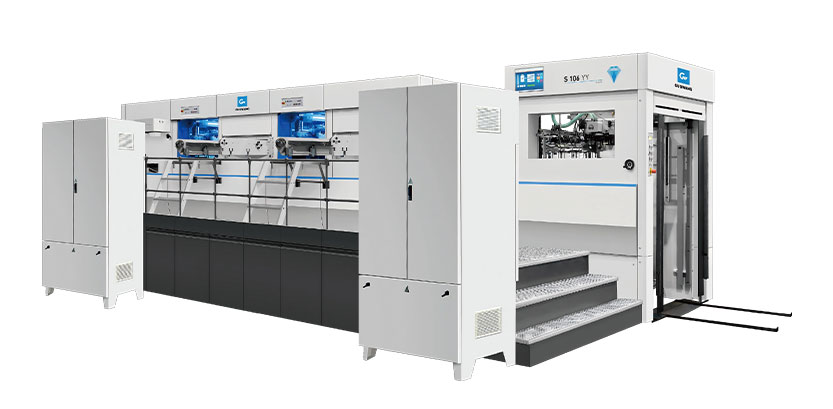
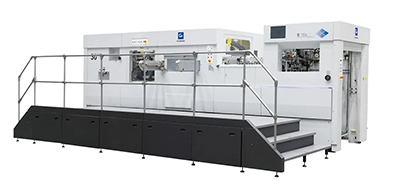
In contrast, a dual‑station design separates the two functions: Station 1 handles hot foil stamping, while Station 2 simultaneously die‑cuts the previously stamped sheet. Overlap reduces dead time dramatically. Well‑tuned dual‑station presses can exceed 6,000 sheets/hour – nearly double the output for high‑volume orders.
Key takeaway: If your weekly runs exceed 50,000 sheets, the dual‑station speed premium usually pays for itself within six months. For short runs, the single‑station might be more economical.
2. Setup & changeover time – the hidden cost
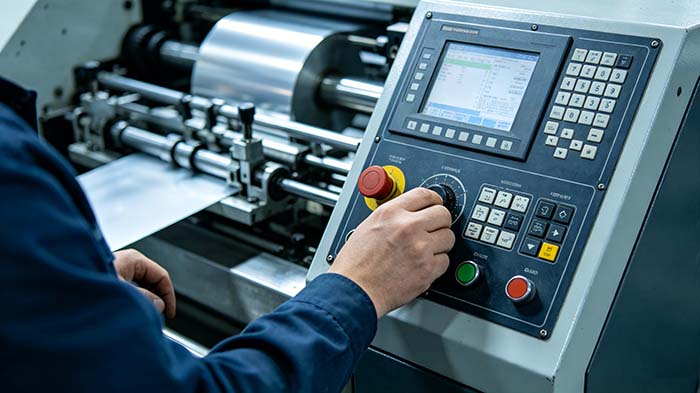
Dual‑station machines offer independent tool mounts. This means you can pre‑register the stamping die on station 1 while station 2 is still cutting the previous job. Some operators reduce changeover from 90 minutes to under 25 minutes by staggering tasks.
However, dual‑station presses require more skilled technicians. Registering two stations in sync demands precise pressure and temperature control. Single‑station models are simpler: one tool, one alignment. For shops without dedicated setup specialists, the single‑station can actually yield higher uptime despite slower running speeds.
3. Per‑part cost & waste
Let’s run the numbers for a typical 100,000‑sheet order of cosmetic cartons (foil area 40%, die‑cut with 4 waste strips):
| Criterion | Single‑Station | Dual‑Station |
|---|---|---|
| Cycle time (hours) | 27 | 14 |
| Labour cost (3 operators) | $810 | $630 (2 ops due to automation) |
| Tool wear (per 100k) | $220 | $280 (two stations, more parts) |
| Set up scrap sheets | 150 | 200 (twin registration) |
| Total cost per 1k sheets | $12.40 | $11.70 |
Dual‑station wins on labour and speed, but tooling cost is slightly higher. For very long runs (>500k sheets), the gap widens in favour of dual‑station because you amortise the setup waste.
4. Application suitability – where each excels
Choose a single‑station press if you mainly run:
-
Short to medium runs
-
Heavy or uneven substrates – single‑station offers better stability for thick materials
-
Samples or prototyping where flexibility beats speed
-
Shops with less experienced operators
Choose a dual‑station configuration for:
-
High‑volume pharmaceutical leaflets, folding cartons, or self‑adhesive labels
-
Thin to medium substrates that can index quickly
-
Jobs that combine complex foil patterns with tight‑register die cutting
-
24/7 production environments where every minute matters
5. Maintenance & footprint
Dual‑station machines have more moving parts – two foil unwinds, two temperature zones, and extra gripper chains. Expect 15–20% higher annual maintenance cost. But many modern units include self‑diagnostic systems that reduce unexpected breakdowns.
Single‑station presses are simpler, cheaper to maintain, and take up about 30% less floor space. For cramped shops, that single‑station footprint can be a decisive factor.
6. Decision matrix – your quick guide
| Your priority | Recommended type |
|---|---|
| Max speed & output | Dual‑station |
| Lowest upfront cost | Single‑station |
| Heavy/stiff materials | Single‑station |
| Thin films & high‑volume labels | Dual‑station |
| Frequent job changes (<2hr runs) | Single‑station |
| Continuous long runs (>8hr) | Dual‑station |
Making the final call – and a smarter way to get there
After evaluating these trade‑offs, many converters realise that the ideal solution isn’t always a brand‑new machine. Sometimes, a well‑specified heavy‑duty stamping press with a modular station upgrade offers the best of both worlds: you start with a single station and later add a second module when volume grows.
If you are looking for a reliable partner that can custom‑build a dual‑station or single‑station unit to your exact substrate range and runtime profile, click here to explore Guowang’s selection of stamping and cutting systems. Their engineers provide a free cycle‑time simulation based on your actual job mix – no generic charts.
Still unsure? Get a one‑page recommendation checklist that walks you through calculating your break‑even point between station types. It takes three minutes and uses your current shift data.
*Disclaimer: Performance figures are based on typical industrial conditions (ISO 12643-2 standards) and may vary with substrate, foil type, and operator skill. Always test with your material before final investment.
Note: The images in this article are for reference only.*


 English
 Français
 Español
 Português
 عربي
عربي