
Troubleshooting Inconsistent Stamp Pressure Across the Platen
You‘re running a job, and the results are inconsistent. The left side of the sheet stamps beautifully—crisp, mirror-finish foil transfer. The right side? Weak, incomplete, or missing entirely. If this sounds familiar, you’re dealing with uneven pressure across the platen of your foil stamping machine.
Pressure inconsistency is one of the most common issues in hot foil stamping, and it‘s also one of the most solvable. The causes typically fall into four categories: mechanical alignment issues, cushion and backing problems, hydraulic or pneumatic system faults, and die-related issues. The key is knowing where to look and in what order.
This guide takes you through a systematic troubleshooting process. We’ll start with how to identify the problem using simple shop tests, then move through each potential cause—from platen parallelism to cushion wear to cylinder synchronization. By the end, you‘ll have a clear checklist for diagnosing and fixing uneven pressure on your machine.
Signs of Uneven Pressure – What to Look For
Before you start adjusting anything, you need to confirm that uneven pressure is actually the problem—and where it’s happening.
Visual Inspection of Stamped Sheets
The most obvious sign is a strong, complete foil transfer on one area of the sheet and weak or partial transfer on another. For example, a sharp image on the left side and a faded one on the right. This pattern tells you the pressure isn‘t uniform across the platen. If the variation follows a consistent pattern—always the same side or the same diagonal—it points to a mechanical or alignment issue.
Pressure-Indicating Paper
Pressure-indicating film (like Fuji Prescale) is the gold standard for diagnosing pressure distribution. Place a sheet of the film across the platen and run a stamping cycle. The color intensity reveals a pressure map—darker areas mean higher pressure, lighter areas mean lower pressure. This gives you a visual representation of exactly where the pressure is uneven.
Carbon Paper Test
If you don‘t have pressure-indicating film, a simple carbon paper test can work. Place a piece of carbon paper face-down on the platen, cover it with a sheet of paper, and run a stamping cycle. The impression left on the paper will show you where pressure is applied and where it’s missing. It‘s not as precise as indicating film, but it’s a quick shop-floor method that costs almost nothing.
Mechanical Causes – Platen Parallelism
Platen parallelism is the most common mechanical cause of uneven pressure. If the platen isn‘t perfectly parallel to the bed, pressure will be higher on one side and lower on the other.
How to Measure Platen Parallelism
Use feeler gauges at the four corners of the platen to measure the gap between the platen and the bed. Place the gauges at the same relative positions on each corner—front left, front right, back left, back right. The readings will tell you if the platen is level or if there’s a tilt.
Acceptable Tolerance
For most hot stamping applications, the acceptable tolerance is within 0.05mm across the platen. Anything beyond that and you‘ll start to see pressure variation. Guowang’s foil stamping machines are built with micron-level precision—in-house CNC machining and Hexagon coordinate measuring machines ensure that every component achieves micron-level accuracy. But even the best machines can drift out of spec over time.
Adjustment Mechanism
Adjusting platen parallelism typically involves tie rod nuts or eccentric bushings. The exact mechanism varies by machine model, but the principle is the same: you‘re adjusting the mechanical linkage that controls the platen’s movement. On machines with multiple adjustment points, make small, incremental changes and retest after each adjustment.
Cushion and Backing Material Issues
The cushion material between the die and the platen plays a critical role in distributing pressure evenly.
Worn or Compressed Cushion
Over time, cushion material compresses and loses its ability to distribute pressure evenly. This is especially noticeable in the center of the platen, where pressure is highest and compression is greatest. A worn cushion creates a low-pressure zone in the center while the edges still stamp well.
Uneven Cushion Thickness
If the cushion wasn‘t installed properly or if it’s worn unevenly, thickness variation across the platen will cause pressure inconsistency. Even a small difference in thickness—a fraction of a millimeter—can be enough to affect stamping quality.
Recommended Cushion Materials
Silicone rubber, felt, and composite materials are common choices for cushioning. Each has different compression characteristics. Silicone rubber provides consistent rebound and long life. Felt offers good pressure distribution but compresses more over time. The right material depends on your application and the type of die you‘re using.
Hydraulic or Pneumatic Pressure System
If the mechanical alignment is correct and the cushion is in good condition, the next place to look is the pressure system.
Pressure Drop on One Side
A pressure drop on one side of the platen often points to a leaking cylinder or worn seal. If one cylinder isn’t delivering full pressure, that side of the platen will stamp weaker than the other. This is more common on machines with multiple cylinders working in parallel.
Uneven Cylinder Synchronization
On machines with multiple hydraulic or pneumatic cylinders, uneven synchronization can cause one cylinder to lag behind the others. This results in uneven pressure application—one side reaches full pressure later or at a lower force than the other.
Simple Test – Listen for Air Leaks
During the pressure dwell phase of the stamping cycle, listen for air leaks around the cylinders. A hissing sound indicates a leak that‘s reducing pressure on that side of the platen. Even a small leak can cause noticeable pressure variation. Check fittings, hoses, and seals for signs of wear or damage.
Die-Related Pressure Inconsistency
Sometimes the problem isn’t the machine—it‘s the die itself.
Die Not Flat
A warped die will amplify any existing pressure variation. If the die isn’t perfectly flat, it will make contact unevenly regardless of how well the platen is aligned. Check the die on a flat surface—if it rocks or shows gaps, it needs to be resurfaced or replaced.
Mounting Surface Debris
Debris on the die holder or the back of the die can create high spots that concentrate pressure in one area. Clean both surfaces thoroughly before mounting the die. Even a small piece of tape or a dried drop of adhesive can cause pressure concentration.
Die Height Variation
If you‘re using multiple dies on the same platen, height variation between dies will cause uneven pressure. Some areas will stamp too hard while others won’t stamp at all. Use make-ready tape or shims to compensate for height differences.
A Logical Troubleshooting Order
Instead of guessing, follow this logical sequence to identify the root cause.
Clean and New Cushion
Start with a clean die and a new cushion. This eliminates the most common variables and gives you a clean baseline. If the problem persists after these changes, move to the next step.
Pressure Test
Run a pressure test with indicating paper or carbon paper. The pattern will tell you where the problem is—diagonal variation suggests platen parallelism; low pressure in one specific area points to cushion issues; a weak side points to hydraulic or cylinder problems.
Check Parallelism
If the pressure pattern shows diagonal variation, check platen parallelism. Measure the gap at four corners with feeler gauges. If the variation exceeds 0.05mm, adjust the tie rods or eccentric bushings.
Inspect the Cushion
If pressure is low only in one area, inspect the cushion. Look for uneven wear, compression, or thickness variation. Replace if necessary.
Check the Pressure System
If an entire side of the platen is weak, suspect the mechanical linkage or hydraulic/pneumatic system. Check for cylinder leaks, worn seals, and synchronization issues.
| Problem Pattern | Likely Cause | First Check |
|---|---|---|
| Diagonal variation | Platen not parallel | Feeler gauge at four corners |
| Center low, edges high | Worn cushion | Replace cushion |
| One side weak | Cylinder or linkage issue | Listen for air leaks; check seals |
| Random spots | Die not flat or debris | Clean die holder; check die flatness |
Questions Maintenance Techs Ask
How often should platen parallelism be checked?
For machines running daily production, check parallelism at least once a month. If you‘re running heavy-duty jobs or noticing pressure issues, check more frequently. Guowang’s machines are built with in-house manufactured core components and CNC precision, but regular checks ensure the machine stays within spec.
Can uneven pressure damage the die?
Yes. Uneven pressure creates localized stress concentrations that can warp or crack the die over time. A die that‘s subjected to uneven pressure will wear unevenly, reducing its useful life. Fixing pressure issues early protects your die investment.
What is the role of make-ready tape in compensating for pressure variation?
Make-ready tape is a temporary fix, not a permanent solution. It can compensate for minor pressure variations by building up low-pressure areas, but it shouldn’t be used to mask significant mechanical issues. If you‘re relying on make-ready tape to get acceptable results, you need to address the underlying cause.
Maintaining Even Pressure Long-Term
Once you’ve fixed the pressure issue, keeping it that way requires a proactive approach.
Regular Inspection Schedule
Build platen parallelism checks into your regular maintenance schedule. Catching drift early prevents it from becoming a production issue. Document your measurements so you can spot trends over time.
Cushion Replacement Intervals
Replace cushion material on a regular schedule, not just when you notice problems. The right interval depends on your production volume and the materials you‘re running, but a good rule of thumb is to replace cushioning every 3-6 months for high-volume production.
Pressure Calibration Service
For critical applications or when you’re not confident in your in-house capability, consider scheduling a professional pressure calibration service. Guowang Group offers comprehensive after-sales support, including technical support, troubleshooting, problem-solving, spare parts, and operator training. Their professional team can provide foil stamping process tuning and remote diagnostics, helping you maintain consistent pressure across the platen.
When you‘re running high-end packaging—cosmetic boxes, luxury gift packaging, or anti-counterfeiting labels—pressure consistency isn’t optional. The Guowang foil stamping machine series is designed specifically for packaging and printing companies seeking the ultimate in hot stamping results and consistent production capacity. Their machines deliver micron-level precision with ±0.15 mm accuracy and 500-ton pressure, meeting the rigorous safety standards of Germany‘s TÜV.
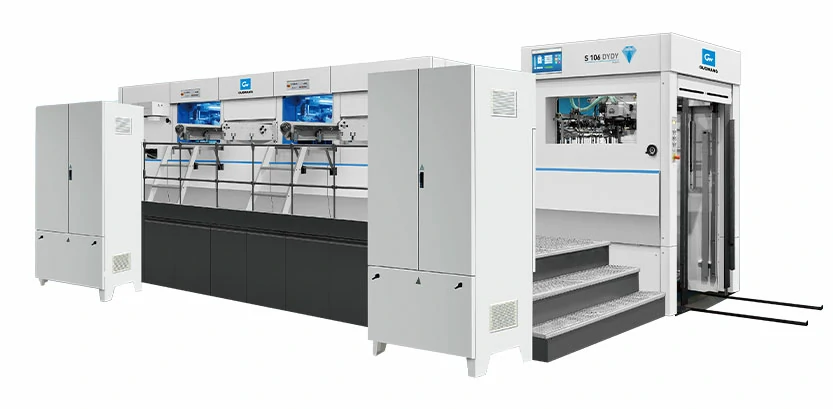
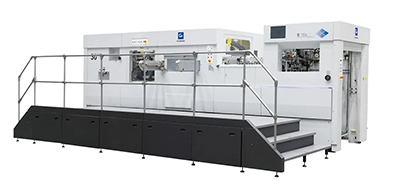
The S106DYDY Automatic hot stamping machine is one of the models in this series, handling sheet sizes up to 1060×760mm with a maximum die-cutting speed of 5500 sheets per hour. With 100 in-house CNC machines and Hexagon coordinate measuring equipment, Guowang manufactures core components in-house to ensure long-term machine stability.
Uneven pressure doesn’t have to be a recurring headache. With a systematic troubleshooting approach and regular maintenance, you can keep your machine running at peak performance. Start with the simple tests—visual inspection, indicating paper, carbon paper—and work through the potential causes in order. In most cases, the fix is straightforward and doesn‘t require major repairs. When you need expert help, Guowang’s global service team is available for remote diagnostics and on-site support.
Need help diagnosing pressure issues on your foil stamping line? Reach out to Guowang Group’s technical team—they can provide troubleshooting guidance, spare parts, and on-site support to get your production back on track.



 English
 Français
 Español
 Português
 عربي
عربي