
How Long Do Hot Foil Stamping Dies Last and When to Replace
You’re running a hot foil stamping job, and the quality isn‘t what it used to be. The stamp looks fuzzy. The fine lines are losing definition. You’re using more heat to get the same result. The die is telling you something — it‘s time to pay attention.
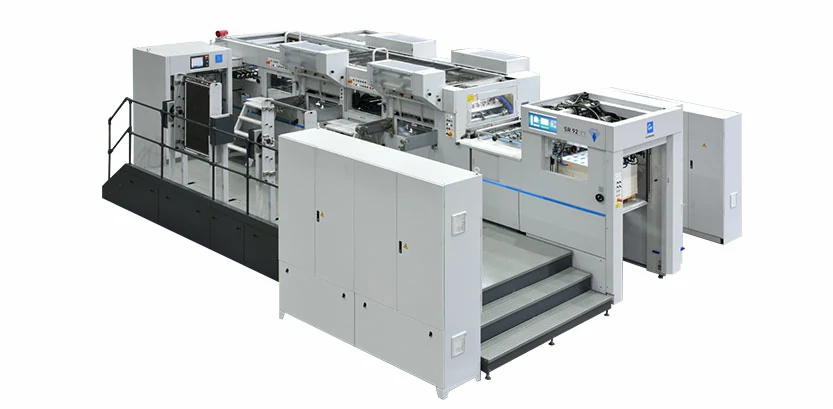
Die wear doesn’t happen overnight, but it affects every single impression long before the die fails completely. A Hot Foil Stamping Machine like the SR92YY Double-Unit Hot Stamping Die Cutting Machine from Guowang Group is built for precision and long-term reliability. But even the best machine can‘t compensate for a worn die.
This guide covers typical die lifespan by material, the factors that accelerate wear, visual signs that a die needs replacement, quality indicators that precede failure, and practical ways to extend die life.
Typical Lifespan by Die Material
Not all dies are created equal. The material determines how many impressions you can expect — and how much you should budget for replacement.
Brass Dies – 200,000 to 500,000 Impressions
Brass is the most common material for hot foil stamping dies due to its excellent heat conductivity and durability. Engraved brass dies typically deliver 400,000 to 500,000 impressions. Brass is best suited for short to medium runs where quality and heat transfer are both important.
Copper Dies – 250,000 to 350,000 Impressions
Copper offers excellent heat transfer and is ideal for high-detail stamping dies where thin, complex, or small fonts are required. However, copper dies typically have a shorter lifespan than brass, delivering around 250,000 to 350,000 impressions. The trade-off is better detail reproduction at the cost of shorter life.
Hardened Steel Dies – 2 Million+ Impressions
For extremely long production runs, hardened steel dies are the gold standard. Steel provides exceptional long-term durability and can exceed 2 million impressions. The higher upfront cost is justified by the extended lifespan, making steel the most cost-effective choice for high-volume, ongoing production.
Photopolymer Dies – 20,000 to 50,000 Impressions
Photopolymer dies are used for prototypes, short runs, and applications where quick turnaround is more important than longevity. They typically last 20,000 to 50,000 impressions and are the most affordable option — but they wear out significantly faster than metal dies.
Factors That Accelerate Die Wear
Even the best die won‘t reach its full lifespan if it’s subjected to conditions that accelerate wear.
Abrasive Substrates
Uncoated paper, recycled board, and wood fibers act like sandpaper on the die surface. Each impression grinds away a tiny amount of metal. If you‘re running abrasive substrates regularly, expect shorter die life and plan for more frequent replacements.
Excessive Pressure
Using more pressure than necessary doesn’t improve stamp quality — it just wears out the die faster. The pressure should be just enough to achieve a clean transfer. Over time, unnecessary pressure rounds off the die edges, reducing definition and shortening die life.
Poor Cleaning
Residual foil left on the die hardens and acts as an abrasive. Over multiple runs, this hardened residue wears down the die surface. Regular cleaning after each job removes this abrasive layer and extends die life.
Overheating
Excessive heat softens brass dies, causing the edges to round off more quickly. When a die overheats, it loses the sharp definition needed for clean stamping. Staying within the recommended temperature range protects the die‘s edge geometry.
Visual Signs That a Die Needs Replacement
A die doesn’t have to break to be worn out. These visual signs tell you it‘s time to replace.
Rounded Edges on Fine Lines
When fine lines in the stamp appear fuzzy or lack sharp definition, the die edges are rounded. The stamp quality deteriorates gradually — but once you notice it, the die is already past its prime.
Pitting or Corrosion on the Surface
Pitting and surface corrosion indicate chemical or thermal damage. These defects transfer directly to the stamped product, creating inconsistent surfaces that no amount of pressure or temperature adjustment can fix.
Cracks in the Die Body
Cracks — especially at the corners of text or intricate patterns — mean the die is structurally compromised. A cracked die can fail catastrophically during a run, causing unplanned downtime and potential damage to the stamping machine. Any visible crack warrants immediate replacement.
Non-Uniform Heating
If certain areas of the die aren‘t heating evenly despite correct machine settings, internal damage is the likely cause. This leads to inconsistent stamp quality across the sheet and is a strong indicator that replacement is needed.
Quality Signs Before Replacement Is Urgent
These signs don’t mean the die is dead — but they mean it‘s dying.
Gradual Increase in Temperature Needed
If you’re consistently raising the temperature to achieve the same stamp quality you got at lower temperatures, the die is losing its heat transfer efficiency. This is a clear warning that replacement is approaching.
More Frequent Foil Tears
When a die develops burrs along its edges, the foil catches and tears more frequently. If you‘re replacing foil more often than usual without any other changes to the process, inspect the die for burrs or edge damage.
Inconsistent Stamp in the Same Die Location
When the same area of the die produces inconsistent results — sometimes sharp, sometimes fuzzy — it indicates localized wear or damage. This inconsistency is a strong signal that the die is no longer reliable.
Questions Production Managers Ask
Can a die be re-sharpened or re-engraved?
Yes, but only up to a point. Brass and copper dies can be re-engraved to restore their surface detail, but each re-engraving removes a small amount of material. After one or two re-engravings, the die thickness may be too thin for effective use. Steel dies are more difficult to re-engrave and are typically replaced rather than repaired. Photopolymer dies cannot be re-engraved — they‘re replaced after their useful life.
Does stamping on thick material reduce die life?
Yes. Thicker materials require more pressure to achieve a clean transfer, which puts additional stress on the die. If you’re running thick materials regularly, you can expect shorter die life. Consider using a harder die material (steel instead of brass) for applications involving thick substrates.
Should I keep records of impressions per die?
Absolutely. Tracking impressions per die is the single most effective way to manage die replacement. When you know how many impressions a die has delivered, you can predict when it will need replacement and order a backup before it fails. Guowang’s machines feature synchronous longitudinal and transversal foil feeding with dedicated systems for efficient production data management, making impression tracking straightforward. Records also help you identify which substrates or processes are hardest on your dies, so you can adjust accordingly.
Extending Die Life Through Proper Use
Die life isn‘t just about the material — it’s about how you treat it.
Correct Temperature and Pressure
Stay within the manufacturer’s recommended temperature and pressure ranges. Guowang‘s foil stamping machines maintain temperature accuracy within ±1°C across the entire stamping area, giving you the precision to avoid overheating. Correct settings protect the die and ensure consistent stamp quality.
Regular Cleaning After Each Job
Clean the die after every job to remove residual foil and debris. Use a soft brush or air blower to remove foil residues from the stamping head and surrounding areas. A clean die lasts longer and stamps more consistently. Unclean surfaces can react with foils and substrates, negatively impacting the finished result.
Proper Storage
Store dies in a dry, ventilated environment to prevent moisture and rust. Keep them oiled and protected from impact. Use the shipping crate or designated storage blocks to store dies and prevent damage. A die that‘s properly stored between jobs will last significantly longer than one that’s left exposed to humidity or physical damage.
Planning for Die Replacement
Replacement planning isn‘t optional — it’s essential for maintaining production quality and avoiding costly downtime.
Track Impressions
The most reliable way to plan die replacement is to track impressions. When a die approaches the end of its expected life based on its material, it‘s time to order a replacement. Guowang’s machines feature efficient production data management systems that support this tracking.
Keep Backup Dies for Critical Jobs
For your most important or high-volume jobs, keep a backup die on hand. When the primary die starts showing signs of wear, you can swap in the backup without stopping production for days while a new die is manufactured. The upfront cost of a backup die is far less than the cost of unplanned downtime.
Schedule Replacement Based on Quality Thresholds
Don‘t wait until the die fails. Set a quality threshold — when the stamp quality drops below that threshold, replace the die. This ensures consistent quality across all production runs and eliminates the guesswork from die management.
Guowang Group has been a leading manufacturer of hot foil stamping and die-cutting technology for nearly 30 years. The SR92YY Double-Unit Hot Stamping Die Cutting Machine offers 910×630 mm maximum die-cutting format and 900×600 mm maximum foil stamping format. With heavy-duty steel frames that absorb vibrations and reinforced alloys that extend machine lifespan, Guowang machines are built for the demanding production environments where die life management is critical.
A die is the heart of your hot foil stamping operation. Understanding how long it should last, recognizing the signs of wear, and planning for replacement protects your product quality and your bottom line. With the right machine — like the SR92YY from Guowang Group — and the right die management practices, you can achieve consistent, premium stamping results run after run.
Ready to optimize your die management and stamping quality? Reach out to Guowang Group’s technical team — they can provide die material recommendations, lifespan tracking guidance, and machine specifications for your production needs.


 English
 Français
 Español
 Português
 عربي
عربي