
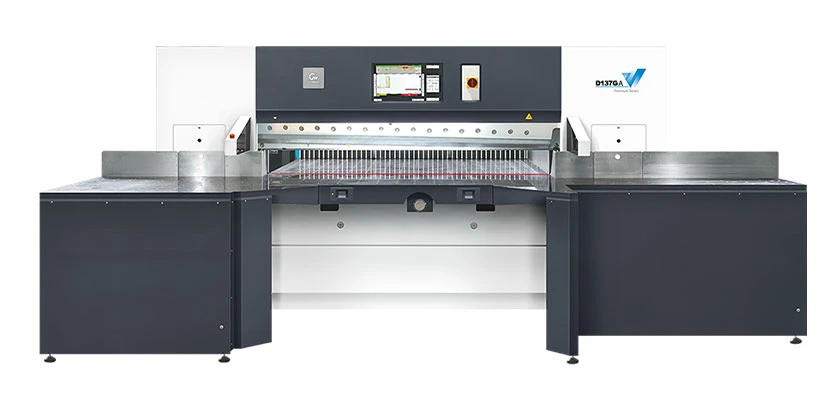


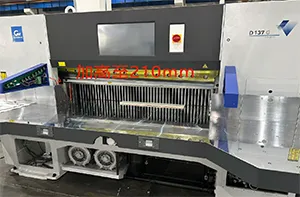
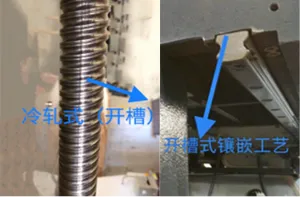
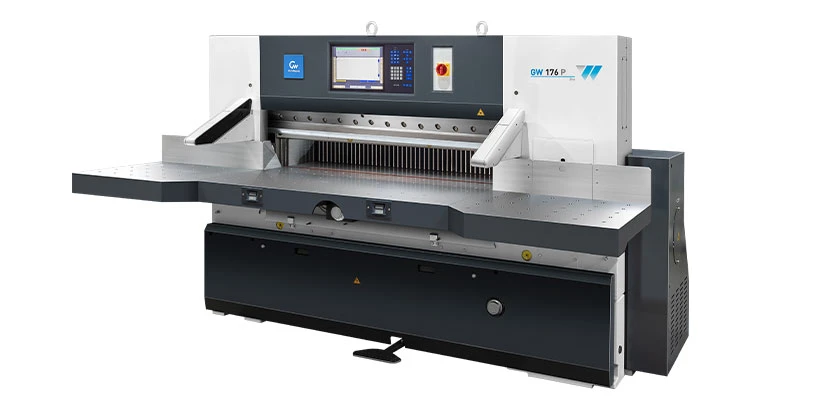
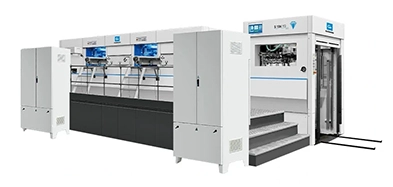
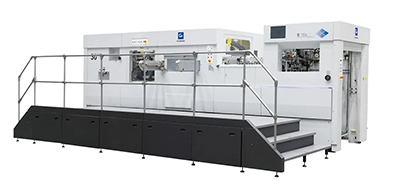
This paper cutter utilizes a high-precision frame-style paper feeding mechanism based on error compensation algorithms. It incorporates dual linear guide rails, precision ball screws, and servo motor vector control technology to form a fully closed-loop motion control system, achieving micron-level positioning accuracy.
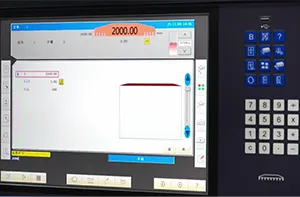
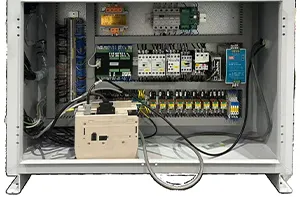
The core control unit is an industrial-grade embedded computer from Taiwan, featuring an integrated Modbus TCP/IP protocol stack that supports multi-machine communication and remote management via MES systems (this feature is not included in the T-series). The HMI interface is designed in accordance with ISO 9241 standards, and the Mean Well wide-input-voltage power supply includes EMI filtering and surge protection.
Key electrical components are sourced from international industrial brands such as OMRON and Schneider. A dual-channel rapid pressure-boosting circuit ensures dynamic pressure balance, and an optional hydraulic system utilizing dual closed-loop proportional control technology is available.
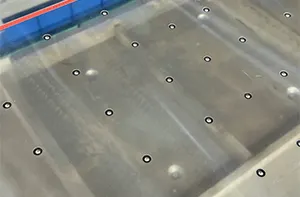
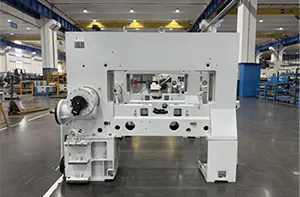
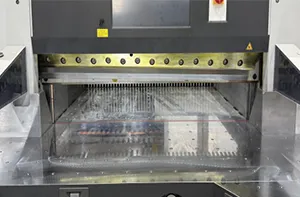
The gantry-style parallel mechanism and modular frame structure have been optimized through finite element modal analysis, with key components undergoing vibratory stress relief to eliminate internal stress; the hard-chrome plated platform is equipped with an air-floatation suction and air-blast system.
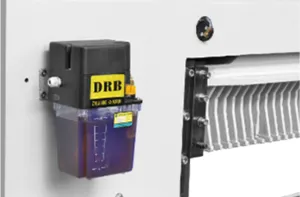
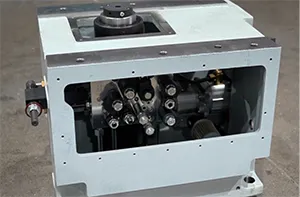
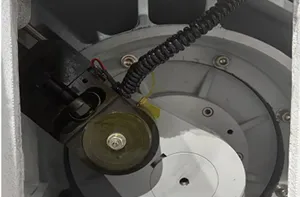
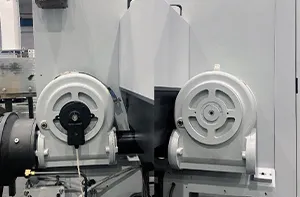
Safety features include a photoelectric light curtain, two-hand simultaneous cutting controls, and a PLC-controlled safety mechanism for the knife back. Driven by a high-torque worm gear mechanism, the cutter achieves a rate of 45 cycles per minute. A modular knife holder and automatic lubrication system enhance operational efficiency, providing a precise, intelligent solution for paper processing.
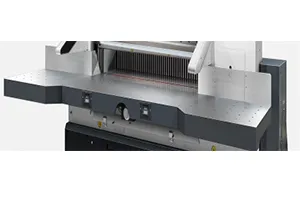
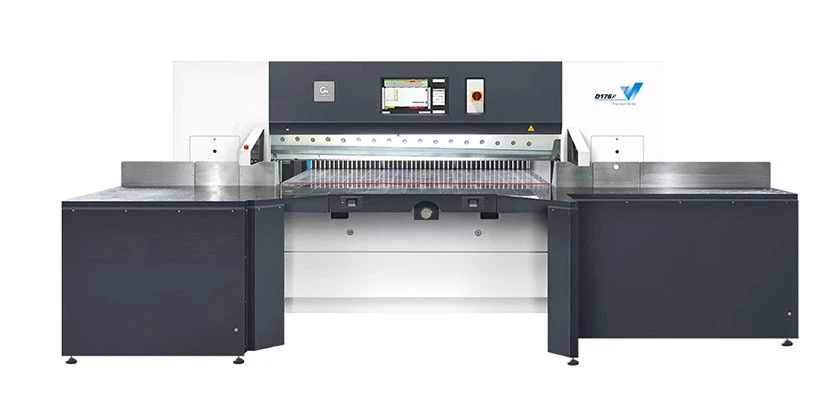
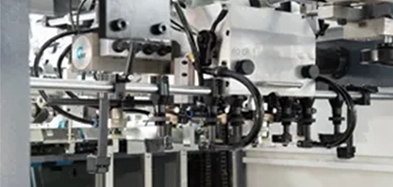
The waste removal table is driven by a servo motor; upon detecting an obstruction, the system triggers an automatic alarm and halts operation to protect the machine from damage.
The waste removal table employs a dual-rail and dual-rack structure; these components work in tandem during operation to ensure the smooth, synchronized movement of the table, thereby improving positioning accuracy and extending service life.
 English
 Français
 Español
 Português
 عربي
عربي